Technique
Prosthetic-Driven Implant Planning
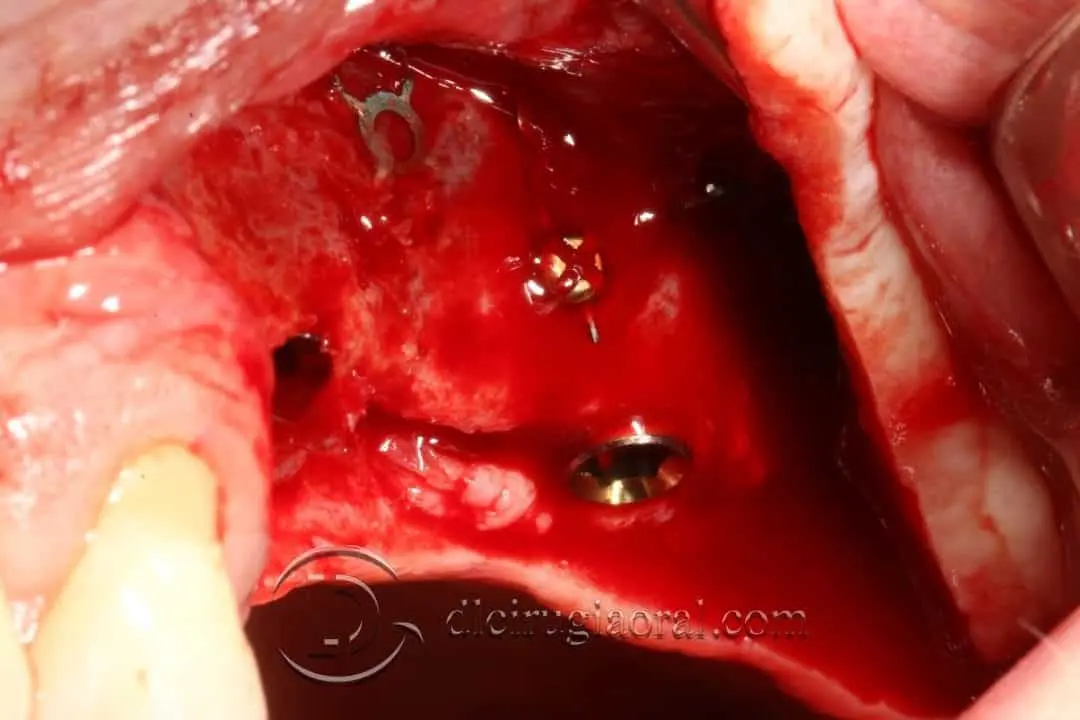
Prosthetic-driven implant planning is one of the most important concepts in modern implant dentistry. Rather than placing implants based solely on available bone, clinicians begin by considering the final restorative outcome and then plan the surgical procedure accordingly.
This approach helps improve function, esthetics, hygiene access, and long-term predictability. Throughout our live implant training program, participants learn how surgical and restorative decisions work together to create successful treatment outcomes for real patients.
Beyond the surgery
Why Implant Position Matters Beyond Surgery
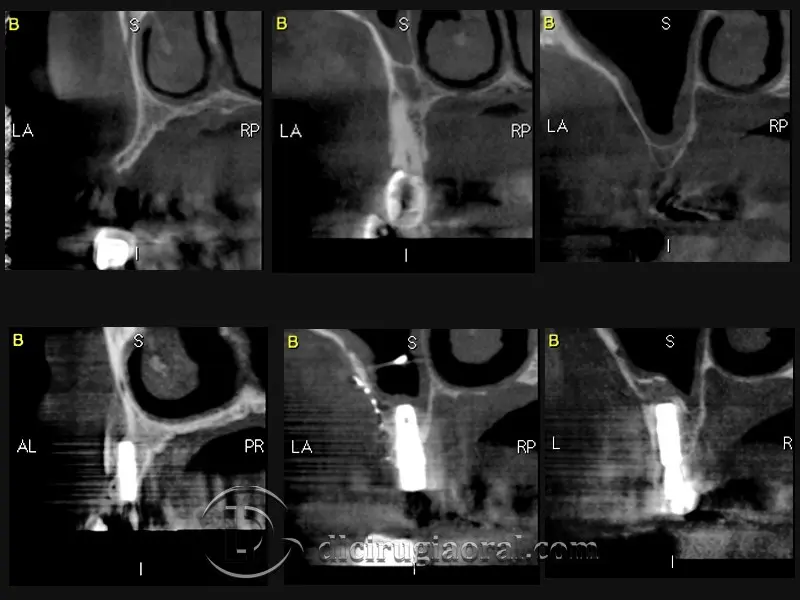
An implant may be successfully integrated from a surgical perspective yet still create restorative challenges if its position does not support the final prosthesis. For this reason, treatment planning should always consider prosthetic requirements before entering the surgical phase.
Understanding the relationship between implant position, emergence profile, occlusion, and esthetics allows clinicians to make more predictable decisions and avoid complications that may appear later during restoration.
During the course, participants learn how to evaluate these factors using real clinical cases and digital planning tools.

The elements
Key Elements of Prosthetic-Oriented Treatment Planning
Successful implant rehabilitation requires careful coordination between diagnosis, surgery, and restorative objectives. Every stage influences the final result and should be evaluated before treatment begins.
Participants gain experience assessing:
- Implant position and angulation.
- Restorative space requirements.
- Emergence profile development.
- Occlusal considerations.
- Esthetic risk factors.
- Digital treatment planning workflows.
This structured approach helps clinicians develop a more comprehensive understanding of implant treatment.
The digital part
The Role of Digital Planning in Modern Implant Dentistry
Digital technology has transformed the way implant treatment is planned and executed. CBCT imaging, digital impressions, and planning software allow clinicians to visualize anatomy and restorative objectives before surgery takes place.
Rather than relying exclusively on surgical intuition, dentists can make more informed decisions based on anatomical data and prosthetic requirements. This improves predictability while helping reduce potential complications during treatment.
Throughout the course, participants work with digitally planned cases and learn how these tools support clinical decision-making in everyday practice.

From plan to surgery
From Diagnosis to Implant Placement
One of the main advantages of a prosthetic-driven workflow is that every stage of treatment follows a clear objective from the beginning. Surgical decisions are guided by restorative goals rather than being made independently.
During training, participants become familiar with:
- Digital case evaluation.
- CBCT interpretation.
- Surgical planning principles.
- Implant positioning strategies.
- Restorative communication.
- Clinical workflow integration.
This process helps create a stronger connection between treatment planning and clinical execution.
Complete workflows
Learning Complete Implant Workflows on Real Patients
Many implant courses teach planning concepts separately from surgery. In daily practice, however, diagnosis, planning, surgery, and restoration are all interconnected.
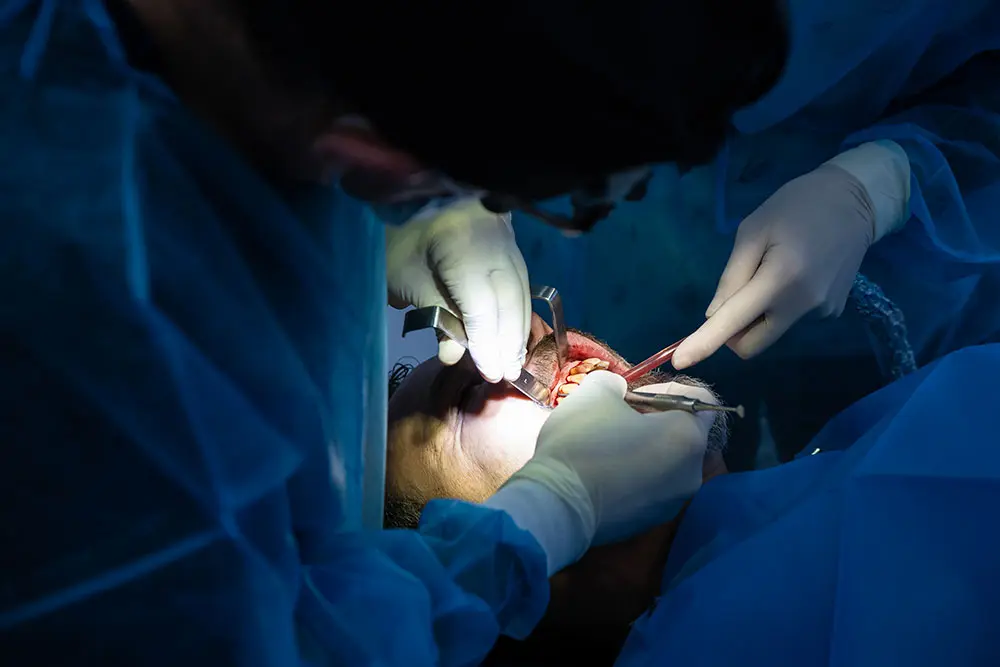
Our live patient training model allows clinicians to experience complete implant workflows from start to finish. Participants are involved in treatment planning discussions, surgical procedures, and intraoperative decision-making while receiving direct guidance from experienced mentors.
By understanding how each clinical decision affects the final restoration, dentists develop a more predictable and patient-centered approach to implant dentistry.

Waiting list
Ready to improve your treatment planning and surgical decision-making?
Join our Live Dental Implant Course USA and learn Prosthetic-Driven Implant Planning through real clinical experience, digital workflows, and expert mentoring.
- Tijuana – MexicoFebruary 1-2-3, 2027 · Edition full
- São Paulo – BrazilDates coming soon
- Format3 days · live surgery on real patients